Comparing Azle and Springtown
Azle and Springtown are both northwest of Fort Worth, but they offer different combinations of property type, lot size, utilities, commute, and everyday convenience.
At a similar price, an Azle home may offer newer construction or more updates, a smaller residential lot, a shorter drive to Fort Worth, and a greater likelihood of municipal services. Springtown may offer more land, greater separation from neighboring properties, and additional space for workshops, barns, storage, or other outdoor uses.
The right choice depends on more than the city name. Exact location, road access, utility arrangements, restrictions, usable land, and long-term maintenance can create very different ownership experiences from one property to another.
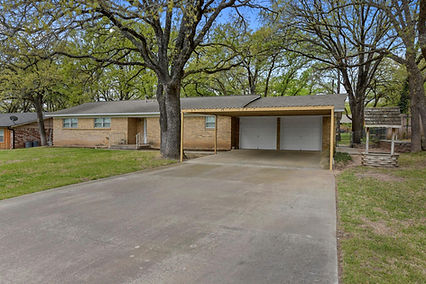
Azle

Springtown
Helpful Real Estate Resources
Explore This Page
Quick Comparison at a Glance
Azle
Azle includes established in-town neighborhoods, newer homes built within established areas, lake-area properties, and larger lots or acreage toward the outskirts.
Properties closer to the center of Azle are more likely to have smaller residential lots and municipal water and sewer service. Homes farther from town may offer more land but involve different utilities, road access, restrictions, and maintenance responsibilities.
Proximity to Eagle Mountain Lake is an important part of the Azle market, but being close to the lake does not automatically provide private or usable lake access.
Springtown
Springtown is more strongly associated with rural acreage, custom homes, manufactured homes on land, and newer construction on larger lots.
Homes in or near town may have smaller lots and are more likely to have municipal services. Properties farther outside town are more likely to include acreage and involve wells, septic systems, road-access questions, restrictions, and greater land-maintenance responsibilities.
The amount of land is only one part of the comparison. Buyers should also evaluate how the property can be used and whether its infrastructure supports their plans.
What Can Similar Home Prices Represent in Azle and Springtown?
Homes at similar asking prices in Azle and Springtown may offer very different combinations of property condition, lot size, utilities, and location.
Azle
In Azle, a similar budget may provide an updated or newer home on a smaller residential lot, closer to everyday services. Properties within the city are also more likely to have municipal water and sewer service.
Azle includes established neighborhoods, newer construction, and homes near Eagle Mountain Lake. Buyers who prioritize a shorter drive to Fort Worth, municipal services, or lake proximity may accept less land in exchange for those benefits.
Springtown
In Springtown, a similar budget may provide a larger lot or acreage, more separation from neighboring properties, and additional room for workshops, barns, fencing, equipment, or storage.
The tradeoff is that rural or outlying properties are more likely to involve a private well, septic system, longer drive times, road-access considerations, and greater land-maintenance responsibilities.
Neither area is automatically less expensive overall. The better value depends on what the buyer values most: property condition, location, utilities, lake proximity, or usable land.
For more on these differences, read What Similar Prices Can Mean in Different Areas.
How Do Azle and Springtown Differ?
Azle Includes Several Distinct Property Types
Azle is not one uniform housing market. Home age, distance from central Azle, proximity to Eagle Mountain Lake, lot size, and utility setup can vary considerably across the area.
Established In-Town Azle
Established parts of Azle include older cottages, ranch-style homes, and brick homes on traditional residential lots. Property condition varies, with original homes, partially updated homes, fully renovated properties, and newer homes built within existing neighborhoods.
Buyers should look beyond cosmetic finishes and evaluate major components and systems, including the foundation, plumbing, electrical components, roof, HVAC equipment, sewer lines, drainage, and previous additions or renovations.
An older home does not need to be completely remodeled to attract buyers. A competitive price, established trees, practical improvements, and the opportunity to update over time may appeal to buyers who do not want to pay a premium for a fully renovated or newly built home.
Lake Proximity and Access
Eagle Mountain Lake is an important part of Azle’s identity, but lake proximity can mean several different things. A home may be waterfront, have a water view, sit near the lake, or be located in a neighborhood with shared amenities such as a community boat ramp.
Buyers should not assume that being near the lake includes private access or permission to build a dock. Floodplain status, insurance requirements, drainage, access rights, shoreline conditions, dock permissions, utilities, and neighborhood amenities should be verified for the individual property.
For sellers, specific features are more useful than a general claim of being near the lake. Private or shared water access, a permitted dock, boat-ramp access, boat or RV storage, shoreline improvements, or proximity to a public launch can help distinguish one property from another.
Larger Lots and Acreage
Larger lots and acreage are more common toward Azle’s outskirts and beyond the city limits. These properties may offer workshops, barns, fencing, livestock areas, pools, boat storage, RV storage, or space for additional improvements.
The total acreage does not show how much of the land is practical to use. Slope, trees, drainage, floodplain areas, road access, easements, restrictions, and the placement of the home, well, septic system, and outbuildings can all affect usability.
These properties should be evaluated and marketed as complete land-and-home packages rather than simply as homes with additional acreage.
Springtown Is More Strongly Defined by Acreage and Homes on Land
Springtown includes smaller in-town homes and newer construction, but rural acreage, custom homes, and manufactured homes on land are important parts of the local market.
The exact location matters. Properties closer to town may provide a more traditional residential setting, while homes farther out are more likely to involve private utilities, land maintenance, road-access questions, and recorded restrictions.
Rural Acreage and Custom Homes
Springtown acreage properties include a mix of older custom homes, newer construction, and barndominiums, often with workshops, barns, or other improvements. Lot sizes and property layouts vary considerably.
The appeal is not acreage alone. Buyers may be looking for privacy, usable pasture, mature trees, room for equipment, an existing workshop, or space for animals and future improvements.
The tradeoff is greater responsibility. Long driveways, wells, septic systems, drainage, fencing, road maintenance, and land upkeep can create costs that are not typically associated with a smaller residential property.
Manufactured Homes on Land
Manufactured homes on acreage are an established part of the Springtown market and can provide another path to land ownership.
Manufactured homes should not be evaluated in the same way as site-built homes. Financing, appraisal, foundation requirements, ownership records, insurance, and resale considerations may differ.
Buyers should involve their lender early and verify the property’s foundation, installation, ownership status, and available records. Sellers should gather relevant documents before listing so potential financing or title issues can be identified early.
Newer Homes on Larger Lots
Newer homes on approximately one-acre lots are a growing option in Springtown, but they are only one part of the broader local market.
These homes may be located in builder subdivisions or constructed individually on scattered lots. They can offer newer systems and modern layouts while still providing more space than a typical suburban lot.
Buyers should compare HOA requirements, deed restrictions, utilities, road maintenance, internet availability, builder warranties, and the features included with the property.
How Much Can Exact Location Affect the Commute?
Azle and Springtown both rely heavily on Highway 199 for access toward Fort Worth, but the time it takes to reach the highway—and the roads used along the rest of the route—can make a significant difference.
Azle generally offers the shorter drive of the two areas. However, Highway 199 is a primary route, and congestion, construction, school traffic, or an accident can significantly affect travel times when practical alternatives are limited.
Springtown is farther from Fort Worth, and many properties require additional travel on local or county roads before reaching Highway 199. The commute may work well for some buyers, but they should consider how often they travel to Fort Worth, Weatherford, or other regular destinations.
Test the Route That Matters
Online maps may reflect current or off-peak conditions rather than the hours a buyer expects to travel. Buyers should test the actual route during their typical travel times.
The drive from the property to the highway, school-zone traffic, road conditions, and the final destination may matter more than the distance shown in a listing.
What Should Buyers Verify Beyond the Listing Price?
Property Use and Restrictions
Acreage does not automatically allow every intended use.
Deed restrictions, plat notes, easements, utility limitations, local requirements, and property conditions may affect whether horses, livestock, manufactured homes, workshops, barns, additional residences, or other improvements are permitted or practical.
Buyers should verify their intended use before assuming that a property without an HOA has no restrictions.
Utilities, Wells, Septic Systems, and Internet
Properties inside or near town are more likely to have municipal services, while those farther out may rely on private wells, septic systems, propane, or other service arrangements.
Buyers should confirm providers, service availability, system condition, maintenance requirements, and available records for the individual property.
Buyers should also confirm internet service directly with providers, especially when remote work, video calls, a home-based business, or multiple users are important.
Usable Acreage and Access
The acreage shown in a listing does not necessarily reflect how much of the property is readily usable.
Slope, drainage, floodplain areas, trees, soil and site conditions, easements, road frontage, access, and the placement of existing improvements can limit how the property functions.
A smaller tract with good access and practical topography may be more useful than a larger property with difficult terrain or substantial restrictions.
Manufactured Homes on Land
Manufactured homes may be subject to financing, appraisal, foundation, title, ownership, and insurance requirements that differ from those for site-built homes.
Buyers should speak with their lender early rather than waiting until after an offer has been accepted. The home’s records, foundation, installation, age, condition, and legal ownership status may all affect available financing.
Lake Proximity and Access
A home near Eagle Mountain Lake does not necessarily include lake access.
Buyers should verify whether the property includes private or shared neighborhood access, or whether the nearest option is a public launch.
Floodplain status, insurance, drainage, shoreline conditions, dock permissions, and access rights may also affect ownership costs and use.
How Sellers Compete in Azle and Springtown
Sellers are not competing only with nearby homes at similar prices. Buyers may compare established homes, renovated properties, newer construction, acreage, lake-area homes, manufactured homes, and properties in nearby markets.
Established Azle Homes
An established Azle home may compete with original-condition properties, renovated homes, and newer construction built within established neighborhoods.
Pricing should reflect the home’s overall condition, including the condition of major components and systems and the quality of completed updates. Cosmetic improvements can help, but they do not replace realistic pricing or clear information about the roof, HVAC system, plumbing, electrical components, foundation, and other important features.
Sellers can strengthen the property’s appeal by highlighting mature trees, lot size, municipal utilities, useful updates, storage, access to services, and proximity to the lake or major routes.
Springtown Rural and Custom Homes
Springtown custom-home sellers may compete with similar acreage properties, newer homes on one-acre lots, and rural listings in nearby markets.
Buyers may weigh usable land, privacy, road access, wells and septic systems, workshops, barns, fencing, restrictions, and overall condition more heavily than the total acreage.
New construction may also offer builder incentives or warranties. Resale sellers should price realistically and emphasize what the property already provides, such as completed fencing, mature trees, established utilities, outbuildings, or immediate availability.
Specialized improvements may appeal strongly to certain buyers, but highly personal finishes do not always add resale value equal to their original cost.
Lake-Area and Acreage Properties
Lake-area sellers should describe the property’s actual benefits rather than relying only on a general claim of being near Eagle Mountain Lake.
Private or shared access, dock status, boat-ramp proximity, shoreline condition, boat or RV storage, floodplain information, and outdoor improvements may affect how buyers compare one property with another.
Acreage sellers should highlight land usability, access, utilities, workshops, barns, fencing, drainage, and other improvements that affect how the property functions.
Manufactured Homes on Land
Manufactured-home sellers should recognize that buyer financing and appraisal considerations may differ from those for a site-built home.
Pricing should be based on relevant comparable properties rather than on the price per square foot of nearby custom homes. Sellers should gather available ownership, installation, foundation, septic, well, survey, access, and restriction records before listing.
Clear documentation can reduce uncertainty and help buyers and lenders evaluate the property earlier in the process.
Frequently Asked Questions
Are horses, livestock, manufactured homes, or workshops allowed on any acreage property?
No. The amount of land does not determine what uses are permitted or practical.
Deed restrictions, plat notes, easements, access, utility arrangements, floodplain areas, site conditions, and other property-specific requirements may limit animals, structures, manufactured homes, businesses, or additional improvements. Buyers should verify the intended use before purchasing.
What makes acreage usable?
Usable acreage is the part of the property that can practically support the buyer’s intended plans.
Slope, drainage, trees, floodplain areas, road access, easements, soil or site conditions, deed restrictions, and the placement of the home, well, septic system, barns, or workshops may affect how much of the land can actually be used.
Are manufactured homes financed and appraised differently from site-built homes?
They can be.
Financing, appraisal, foundation requirements, ownership records, installation details, age, condition, and insurance may be handled differently than they are for a site-built home. Buyers should speak with a lender familiar with manufactured housing before making an offer.
Does an Azle or Springtown mailing address determine utilities, school assignment, county, or jurisdiction?
No. A mailing address alone does not determine all property-related boundaries or services. The property’s city or county jurisdiction, school assignment, taxing entities, utilities, emergency services, and other property-specific details should be verified for the individual address.

Compare the Options That Matter to You
Choosing between Azle and Springtown depends on more than the city name. A property’s condition, usable land, utilities, commute, lake access, restrictions, and long-term maintenance all affect whether it is the right fit.
Whether you’re buying or selling, Donna can help you compare specific properties, identify the details that need to be verified, and understand how each home fits within the local market.